
- Details
By: Murray Hunter
Malaysia is heading towards a crisis in food toxicity, with, for instance, occupational poisoning and disease among farm workers averaging more than 2,500 cases per year, according to research by the Journal of Plant Pathology. What that means is that the food Malaysians eat on a daily basis is under threat from a contaminated water system, poor soils, poor agricultural practices and much more.As evidenced by the journal’s study, irrigation water is now a toxic mixture, and further deteriorating to dangerous toxicity levels as pressure is put on the country’s river systems, catchment areas, lakes and dams. They have been under attack not only from pesticide overuse but from urban growth and the consequential contamination from human and industrial activities infringing upon and intruding into these strategic water systems.The prime sources of Malaysia’s domestic and agricultural water supplies are derived primarily from rivers and a network of lakes and reservoirs across the country. These rivers, lakes, and reservoirs also serve as navigation ways, and water recreational areas. The lakes and reservoirs are filled by streams, and catchment areas which in many cases being encroached by agricultural activities, illegal logging, industry, and urbanization.
Read more: Asiaentinel: Malaysia’s Looming Food and Water Catastrophe
- Details
Michael Cole, Professor of Forensic Science, Anglia Ruskin University
IT IS estimated that there is a staggering £300m worth of medicine unused in the UK every year. But is it safe to take these medicines if they are past their expiry date?
Expiry dates are put in place after rigorous trialling and controlled experiments to ensure the safety and effectiveness of the drugs people take. In short, they guarantee the potency of the drug. Medicinal drugs are all chemicals and the rate at which they go off will depend upon their chemical structure, the drug preparation, how they are packaged, environmental conditions, whether they are subject to microbial contamination and their exposure to heat, light, oxygen and water.The drugs are sold in a variety of containers including bottles, blister packs, tubes and ampules. They are relatively secure while sealed. But once the seal is broken, the process of “going off” accelerates.
Common painkillers
Let’s look at an everyday drug like paracetamol. This is an “over the counter” medicine, freely available, which helps to reduce pain or a fever. Paracetamol is sometimes sold in brown sealed bottles. The seal keeps moisture and atmospheric oxygen out. The brown bottle keeps UV light out as this can also cause the drug to breakdown. Once the seal is broken, the tablets are exposed to water and oxygen in the air and breakdown begins.
Paracetamol is also sold in blister packs. These packs are permeable to water and oxygen so they are covered in, for example, polyvinylidene chloride (PVDC). This protects the contents and slows down the decomposition process but is still slightly permeable so doesn’t prevent it altogether.The consequence of this is that, despite the protection of the packaging, the drug content slowly declines. Research shows that when paracetomol based medicines go past their expiry date, up to 30% of the drug may break down in between 12 and 24 months.
- Details
The Energy, Science, Technology, Environment and Climate Change Ministry (Mestecc) today launched the National Action Plan on Enforcement on the Import of Plastic Waste.The plan, also known as the HS 3915, is aimed at streamlining enforcement activities undertaken by various agencies, the ministry said in a statement today.Also launched today was Guidelines on the Import of Scrap Metal for the benefit of importers and with the aim of preventing the import of contaminated, non-homogeneous and low-quality metal.The ministry said the strengthening of environmental enforcement and monitoring activities across the country had been discussed at the meeting of environment ministers and state executive councillors responsible for the environment, held today.
Read more: MESTECC: Launches enforcement plan for import of plastic waste
- Details
KUALA LUMPUR: In just 10 days after Malaysia recorded its first case of 2019-nCoV coronavirus infection on Jan 25, 12 people have tested positive up to yesterday.The first three cases involved Chinese nationals who arrived in Johor from Singapore on Jan 23, while the most recent cases comprised two Malaysians evacuated from Wuhan, China, on Tuesday.Three Malaysians have tested positive for the virus, with the remaining cases involving Chinese nationals.Dubbed the Wuhan virus, in reference to the Chinese city of Wuhan in Hubei province where the virus was first detected, the virus has gripped the world in fear, with a growing threat to a country’s economy and its people’s wellbeing.
On Jan 30, the World Health Organisation declared a global health emergency as the virus poses a threat to countries with weak healthcare systems.This is not the first time that Malaysia had been shaken by a global health crisis.The first human Japanese encephalitis (JE) case (a vectorborne zoonotic disease caused by the Japanese encephalitis virus) was reported in Malaysia during World War 2 in a British prison in 1942.JE had four major outbreaks, namely in Langkawi in 1974, Penang (1988), Perak and Negri Sembilan (1998 - 1999) and Sarawak (1992).According to WHO, Malaysia has between nine and 91 reported cases of JE each year.
Read more: NST: Other global health crises reported in Malaysia
- Details
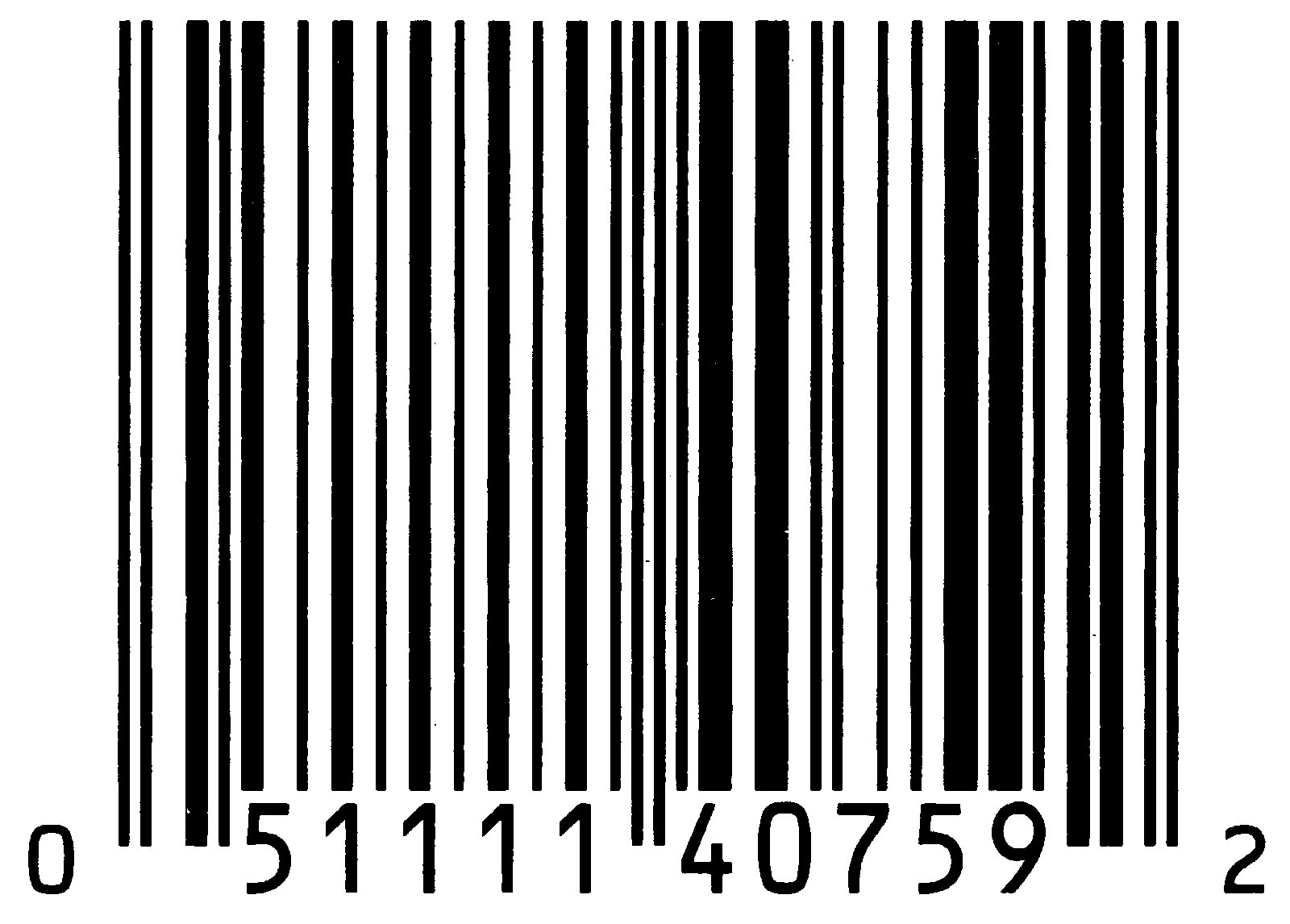
PLEASE PAY ATTENTION -THIS IS SO TRUE: HOW TO READ BAR CODES... (everyone must know)
ALWAYS READ LABELS ON THE FOODS YOU BUY--NO MATTER WHAT THE FRONT OF THE BOX OR PACKAGE SAYS, TURN IT OVER AND READ THE BACK CAREFULLY!
With all the food and pet products now coming from China, it is best to make sure you read label at the supermarket and especially when buying food products. Many products no longer show where they were made, only give where the distributor is located. The whole world is concerned about China-made "black-hearted goods".
Can you differentiate which one is made in Taiwan or China ? The world is also concerned about GMO (Genetically Modified Organism) foods; steroid fed animals (ex: 45 days old broiler chicken).
It is important to read the bar code to track its origin. How to read Bar Codes....interesting !
- Details
KUALA LUMPUR (Jan 29): The government's proposal to raise the water tariff has elicited mixed response from the public. Academics, however, contend that the increase is justified if the extra revenue generated is used to upgrade the water industry's infrastructure and provide better services to consumers.Early last year after the government announced its proposal to increase the water tariff to restructure the water supply services industry, six state governments agreed to it.
It has been reported that the revised water tariff will be presented to the Cabinet for approval soon.The current water tariff is RM1.38 per 1,000 litres of water.On Jan 5, Water, Land and Natural Resources Minister Datuk Dr Xavier Jayakumar said states that have not agreed to the tariff hike proposal have been asked to submit to his ministry their respective mechanisms to provide clean water supply to consumers.He said this was because the cost of preparing and managing treated water was high and remedial action has to be taken to address water disruptions.
FACTORS TO CONSIDER
Read more: thedgemarkets: Higher water tariff necessary to upgrade infrastructure
- Details

KUALA LUMPUR - Penghantaran semula kontena mengandungi sisa plastik yang dicemari bahan buangan terjadual ke negara pengeksport mencatatkan jumlah amat memberangsangkan, kata Menteri Tenaga, Sains, Teknologi, Alam Sekitar dan Perubahan Iklim (MESTECC), Yeo Bee Yin.Bagaimanapun, beliau berkata, statistik dan maklumat penuh mengenai perkara itu hanya akan diumumkan beliau pada sidang media di Pulau Pinang, 20 Januari ini."Apa yang kita buat ialah dalam sejarah dunia ini adalah kali pertama secara besar-besaran satu negara memulangkan balik kontena sisa plastik ini kepada negara asal."Walaupun kita telah mengambil masa yang panjang tapi kita telah mencapai apa yang tidak dicapai negara lain," katanya selepas melawat Wisma Bernama sempena sambutan Tahun Baharu Cina di sini hari ini.
Read more: MESTECC: Penghantaran balik kontena sisa plastik memberangsangkan
- Details
Consumer rights developed thanks to grass-roots networks putting pressure on companies.Today they cover treatment and protection of the consumer experience, as well as the safety and sustainability of our health and environment.Consumer advocacy can play a role in instigating the changes required to tackle the climate crisis.The Davos Manifesto starts with consumers – and rightly so. It has taken decades for consumers to be recognised as an essential stakeholder with an independent voice and rights. For a fair, safe and sustainable economy, it’s time to empower, inform and activate consumers and build a more balanced and engaged relationship with companies, suppliers and legislators.
Have you read?
Scarcity and growth: our world's contradictory terrors
Most fish consumers support a ban on fishing endangered species, poll finds
The beginnings of consumer rights
Many of us can now take for granted the kitemarks and audits that maintain basic product safety for billions. But in the 1960s, as mass production developed in the West and companies grew their local and global power, consumers were a huge but disorganized economic group, with no collective voice to be heard by decision-makers in companies or government.Over time, consumer rights, legislation, standards bodies, watchdogs, testing, labelling and information schemes established an organized consumer protection foundation. With grass-roots networks and international presence, consumer advocates kept up pressure on companies who exploited poorer consumers, polluted rivers or damaged air quality.
- Details
Government and non-governmental organisations (NGOs) are working to educate the public on the effects of plastic on humans and flora and fauna.It is ultimately up to us to conserve the environment by not using plastic. Over the past few years, the government and other authorities have taken steps to clamp down on the use of plastics. The use of Styrofoam packages has been minimised as not many eateries are providing them. Besides that, shoppers used to pay 20 sen for each plastic bag bought at shopping malls on Saturdays. Now, they pay 20 sen regardless of the day. This has instilled better awareness in Malaysians to bring their own bags when they go shopping.The use of plastic straws is also declining as many eateries are not offering them. Many customers who buy food from stalls and restaurants are bringing their own containers, especially stainless steel containers. This is practised by the dabbawalas in India, who deliver lunches. Stainless steel containers keep the food warm and are healthier. Malaysians should use their own containers when buying takeaways. Eateries should give a discounted rate to those who bring containers.Malaysia chaired the inaugural Sustainable Development Goals (SDGs) summit in November, so it will be good for us to start the year by eradicating plastic waste. Of the 17 SDGs, not one focuses on plastic or plastic waste. Goal No. 3 of the SDG is to ensure healthy lives and promote well being for all.
One of its goals is to reduce the number of deaths and illnesses from hazardous chemicals and air, water and soil pollution and contamination by 2030. Since plastic cannot biodegrade, it will be ever present in the air, water and soil unless we eliminate plastic waste. Similarly, goal No. 12 is to ensure sustainable consumption and production patterns. Among its goals is to achieve the environmentally-sound management of chemicals and waste, reducing their release into air, water and soil. Other SDGs include goal No. 6 on water and sanitation; No. 13 (climate action); No. 14 (life below water) and No. 15 (life on land). These touch on the environment and provide humans and living things with livable surroundings. The issue that consumers need to look at is waste management and for the authorities to collect and dispose of plastic waste at recycling centres. It sounds simple, but if we play our part, we can leave the next generation a plastic waste-free nation.
Read more: NST : Let's use less plastic, Mr Baskaran Sithamparam, FOMCA
- Details

Oleh Gabungan Persatuan-Persatuan Pengguna Malaysia (FOMCA) dan Persatuan Pengguna-pengguna Standard Malaysia (Standards Users)
LATAR BELAKANG
Menteri Kementerian Pengangkutan (MOT) telah mengeluarkan kenyataan kerajaan akan mewajibkan peraturan pemasangan kerusi keselamatan kanak-kanak (Child Restraint System: CRS) dalam setiap kereta persendirian pada tahun 2020.Sepatutnya, cadangan awal untuk mewajibkan pemasangan kerusi keselamatan bayi adalah pada tahun 2018 tetapi selepas perbincangan dengan Institut Penyelidikan Keselamatan Jalan Raya Malaysia (MIROS), mereka dapati industri belum bersedia (dari segi ) tidak cukup bekalan dan tidak cukup stok. Kementerian juga mahu memastikan kos (kerusi bayi) lebih mampu untuk pengguna.
Pihak Gabungan Persatuan-persatuan Pengguna Malaysia (FOMCA) dan Persatuan Pengguna-pengguna Standard Malaysia (Standards Users) dimaklumkan pada 11 Januari 2019, semasa mesyuarat CRS di bangunan Kementerian Pengangkutan, MIROS telah dipertanggungjawabkan untuk melakukan penyelidikan kajian kelayakan penggunaan CRS dan mengeluarkan garis panduan dan piawaian penggunaan kerusi keselamatan kanak-kanak. Garis panduan tersebut telah dibentangkan pada Mei 2019.Namun pada 7 Oktober 2019, ketika Mesyuarat Agung Tahunan Majlis Keselamatan Jalan Raya (MKJR), MIROS tidak membentangkan garis panduan tersebut. Beberapa ahli jawatankuasa Majlis Keselamatan Jalan Raya (MKJR) mendapati terdapat beberapa permasalahan di dalam garis panduan tersebut tetapi tiada maklumbalas dari pihak MIROS.
Pada 23 Oktober 2019, MIROS telah membuat pelancaran garis panduan tanpa mengambil kira pandangan daripada mana-mana pihak yang berkepentingan. Oleh itu, pada 7 November 2019, Child Passenger Safety Malaysia (CPSM) sebuah badan NGO telah menjemput FOMCA dan beberapa wakil pengedar/pengimport untuk hadir mesyuarat bersama Jabatan Pengangkutan Jalan (JPJ) Bahagian Kejuruteraan Automotif. Hasil daripada mesyuarat tersebut, JPJ menyatakan pihak mereka tidak dimaklumkan mengenai garis panduan yang dikeluarkan oleh MIROS, malah JPJ turut menyatakan perkara yang paling penting adalah kelulusan Component Type Approval (CTA) daripada JPJ sebelum membawa masuk CRS ke pasaran Malaysia.
Read more: FOMCA: MEMORANDUM PENGUATKUASAAN UNDANG-UNDANG KERUSI KESELAMATAN KANAK-KANAK DI MALAYSIA
Subcategories
Page 81 of 232